Did you know...
Digital accessibility starts with awareness - progress begins here
People in Australia have a disability
4.25 Million
Australians Don’t Speak English
870K
Australians are older than 65
3.9 Million
Min Wage for People with Disability
$2.90
Disability addressable market
$13 Trillion
Disability Employment Rate
53%
Watch a Demo
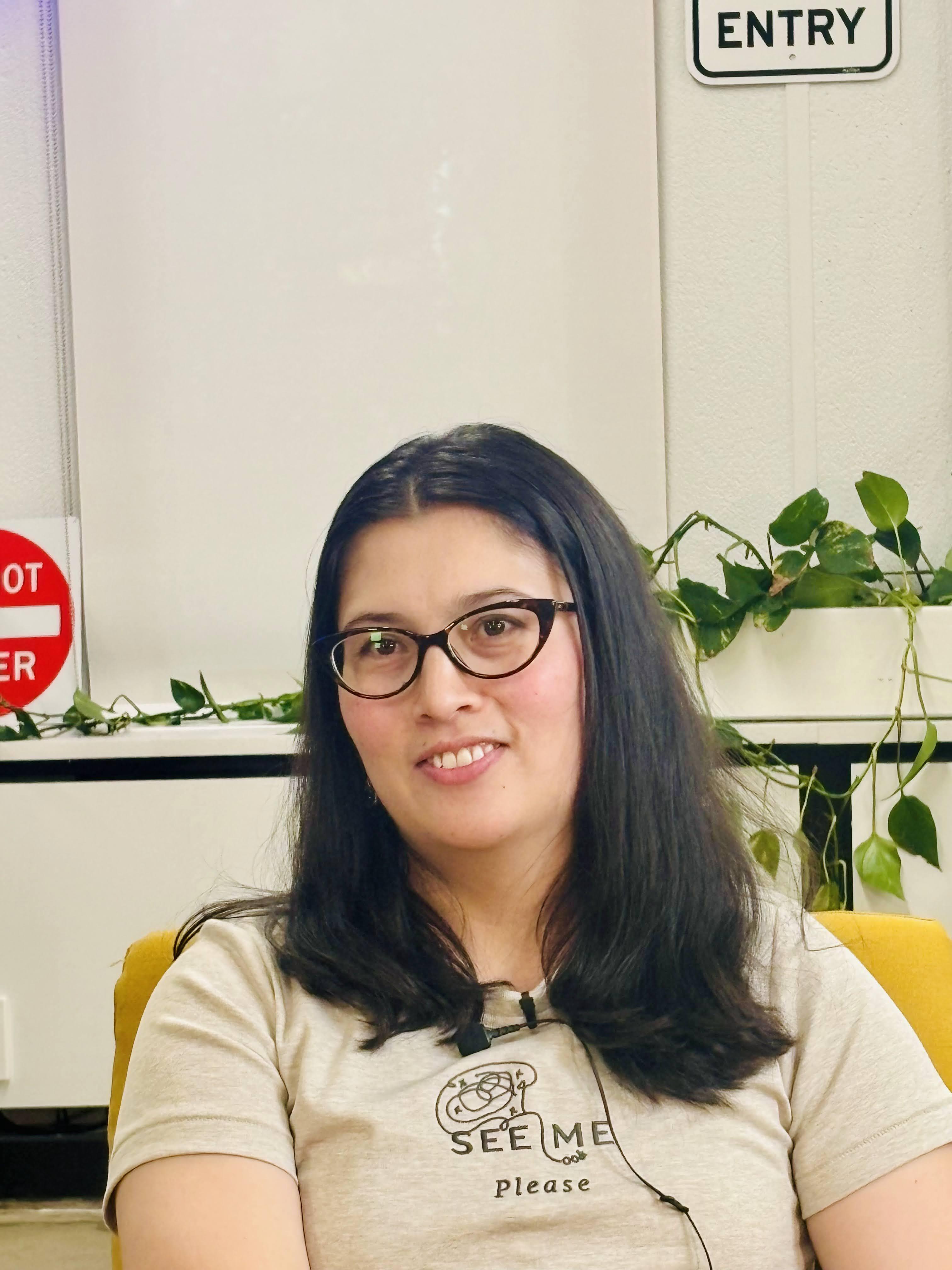
Discover how we bring real customer journeys to life. Our recordings offer invaluable perspective, helping you build awareness and enhance accessibility just as much as our detailed reports.
Digital Accessibility is:
- Good Business
- Enabling businesses to grow market share and reduce operating costs by shifting customers to digital from higher cost service channels.
- The Right Thing
- Illustrating that your organisation values inclusive services that can be accessed by all.
- The Law
- Accessibility is required by law in many countries including Australia, the US and the UK. Digital inclusion ensures equal opportunities and reduces discrimination.
- A Human Right
- Access to digital services is essential for individuals to exercise their rights to information, education, communication, and participation in modern society.
- Socially Responsible
- And easy to understand when you can see real customers facing barriers accessing your digital experiences.
- Benefits All
- Solve for edge users and you know it's seamless and intuitive for all of your customers.
Powerful Stories
Real People Explain Accessibility
Apps That Also Serve As Assistive Technologies
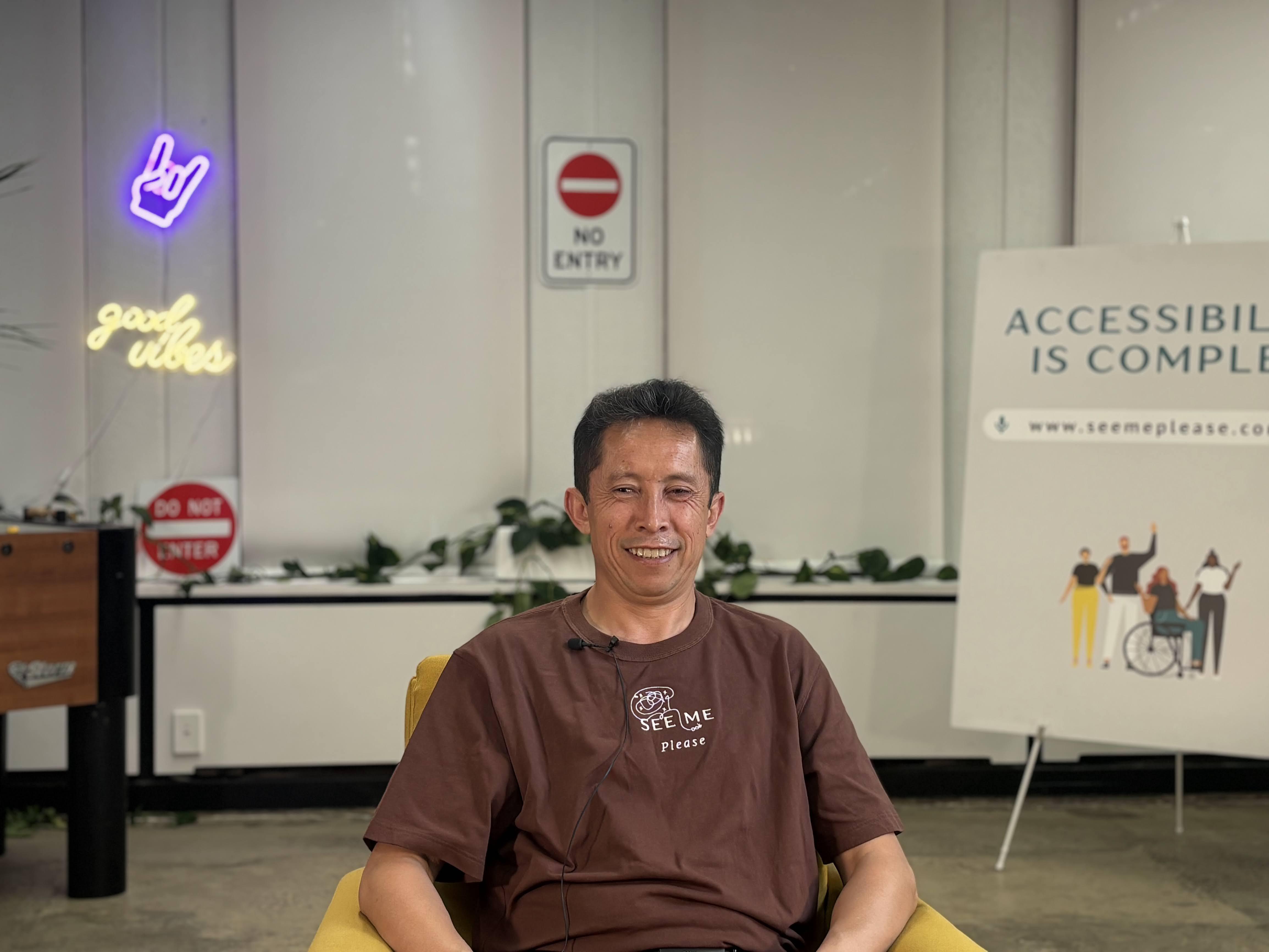
'Good' Digital Experiences from a Deafness Perspective
Magnification Overview
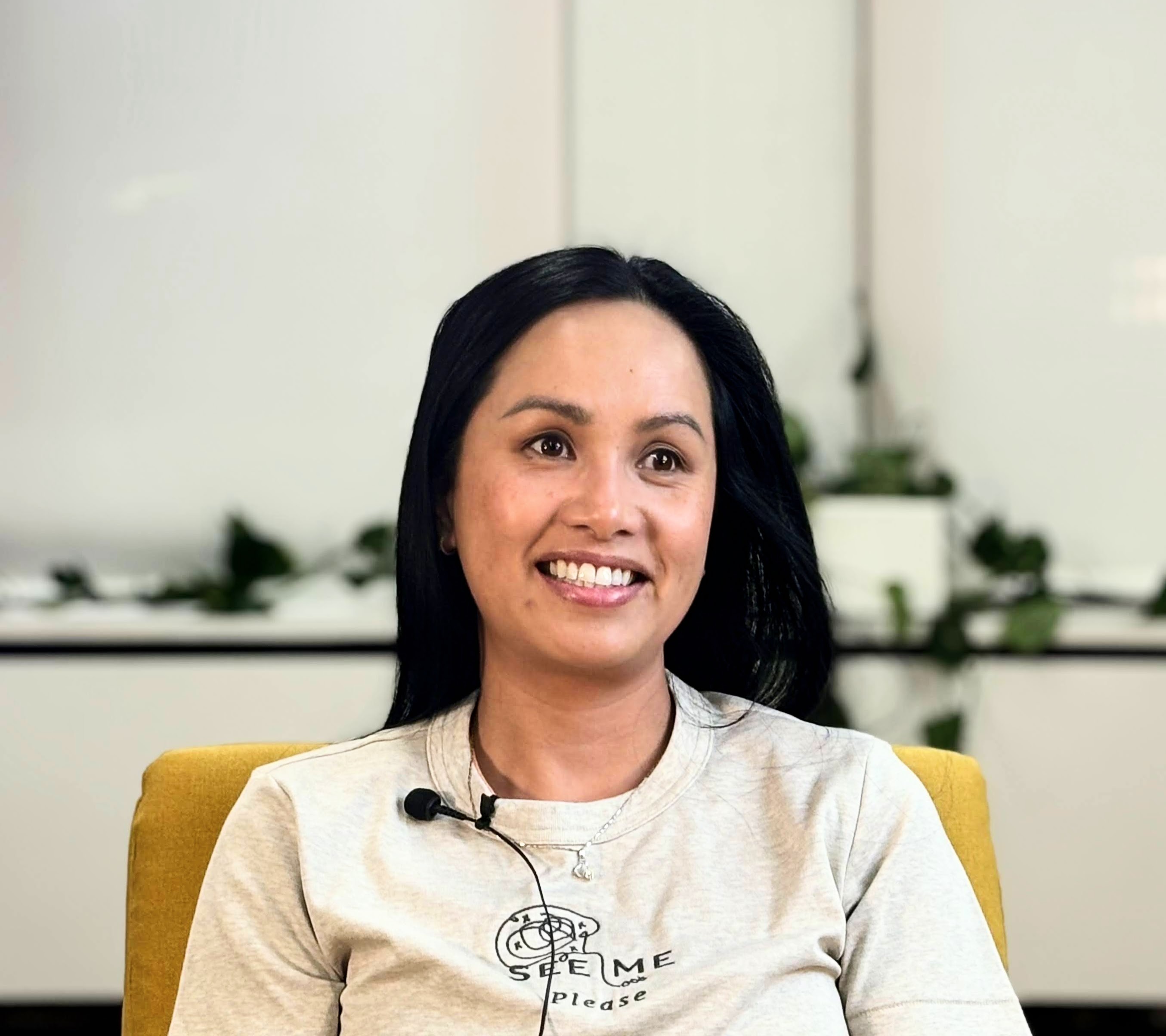
Screen Reader Overview
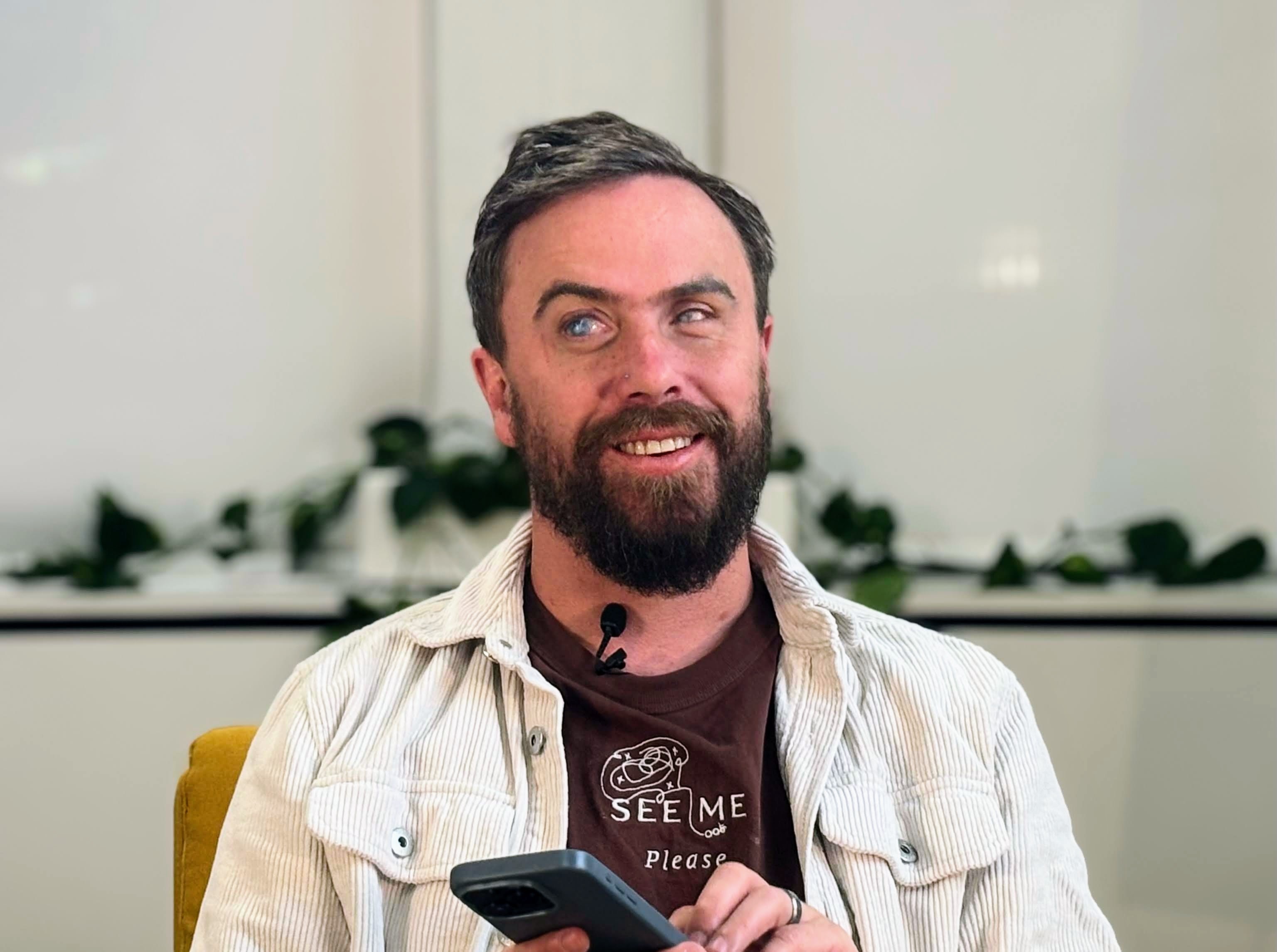
Disability Isn't a Dirty Word
Blogs
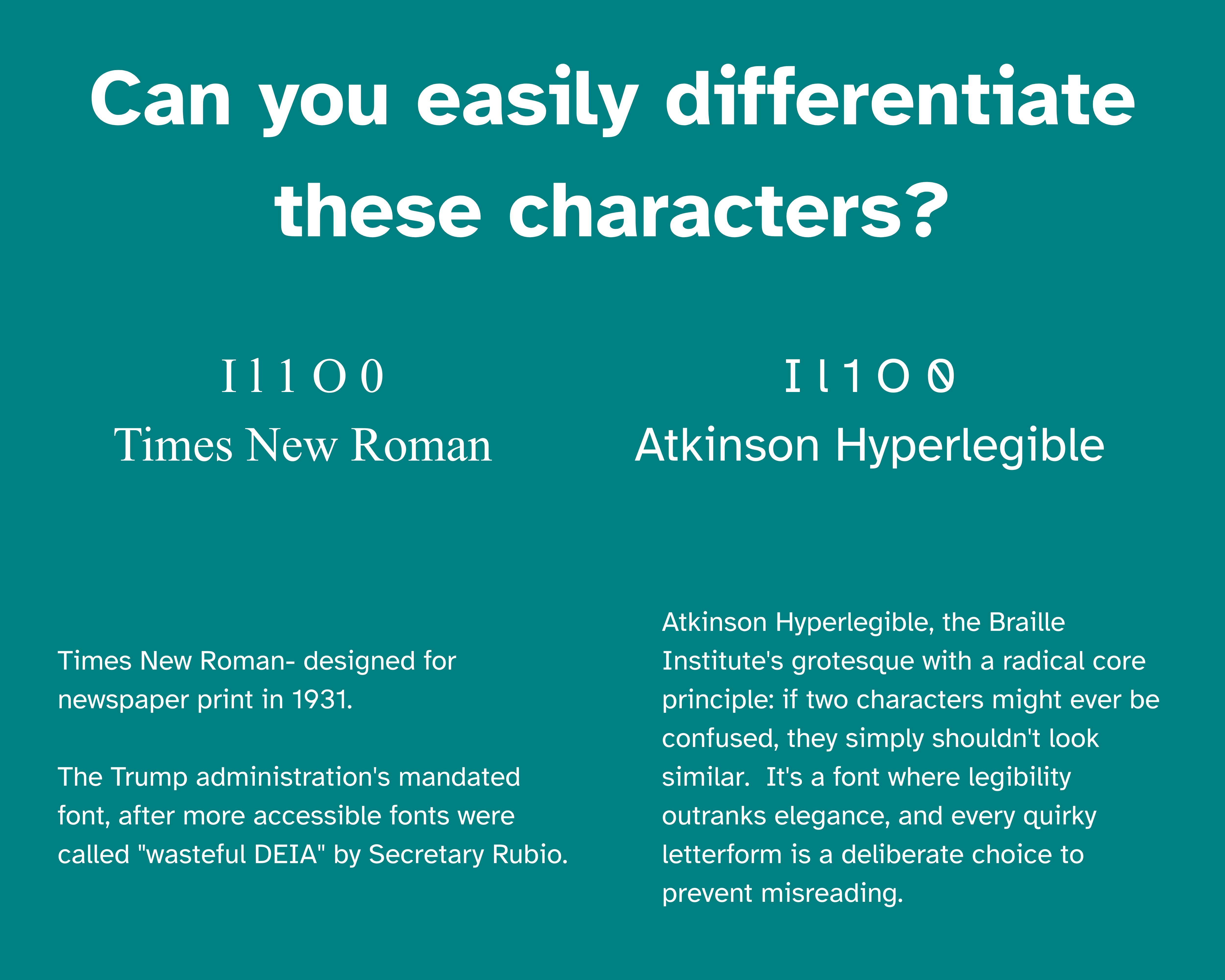
Trump Gov thinks Calibri is woke; US typography just regressed to 1931
The Trump administration just mandated Times New Roman across all State Department communications to "restore decorum." Secretary Rubio called Calibri "another wasteful DEIA program." A sans-serif. Wasteful. The font wars have arrived—uninvited, unnecessary, and paid for by the people least able to afford them. This isn't about typefaces. It's about who gets considered—and who will squint in silence. So while the State Department cosplays 1931, this blog pays homage to a font actually built for this century. Here's a deep dive on Atkinson Hyperlegible—the design decisions, the beautiful weirdness, the typographic rule-breaking. One for the type nerds.
Katie McDermott
CEO & Founder
Older Users Might Be Your Best Usability Hack
Brutally Honest But Golden Feedback For Designers
Katie McDermott
CEO, See Me Please
Invisible Digital Barriers In Gov
This blog explores the critical need for inclusive digital government services, highlighting the often-invisible barriers that exclude millions of citizens from essential services.
Katie McDermott
CEO, See Me Please
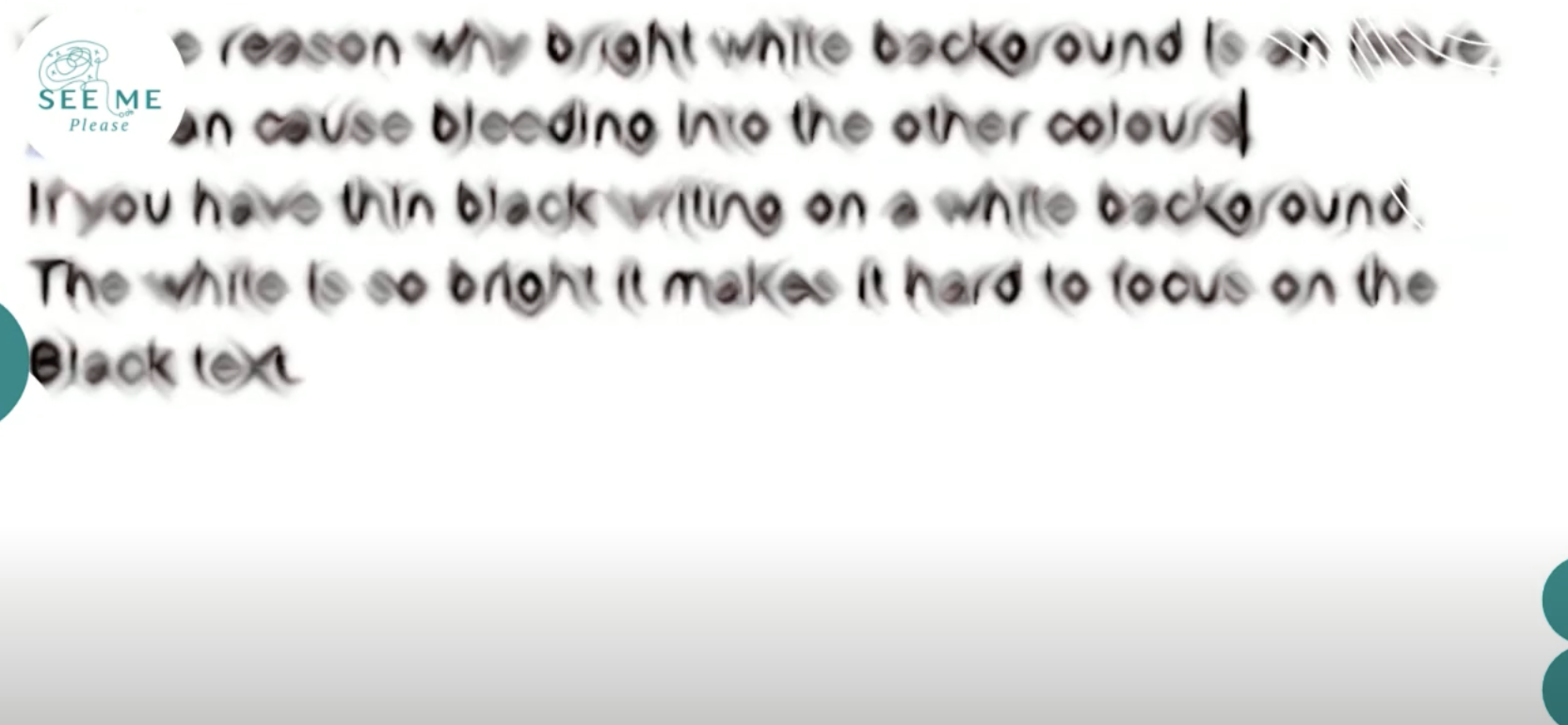
Dark Mode - Essential not a Preference
Dark mode is often treated as a nice-to-have rather than a necessity or assistive technology.
Katie McDermott
CEO, See Me Please
Authentication...When Logging In Becomes the Lockout
Well-meant accessibility tweaks often backfire when they’re not co-designed with the people they’re meant to serve. This short video of blind and low-vision users creating passwords and navigating MFA shows how a tiny detail in authentication (like a line break) can slam the front door shut for those who need digital services most. Alongside a video demo from blind users navigating poorly designed authentication flows, this blog unpacks a few simple fixes for making authentication both secure and usable See Me Please is an accessibility user testing platform connecting organisations with diverse and disabled participants to evaluate real-world usability beyond WCAG compliance.
Katie McDermott
CEO, See Me Please